Understanding the Problem:
Situational Analysis
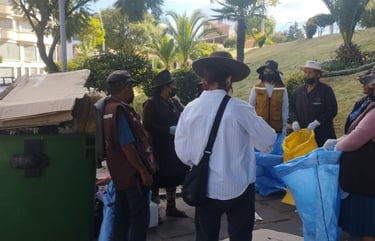
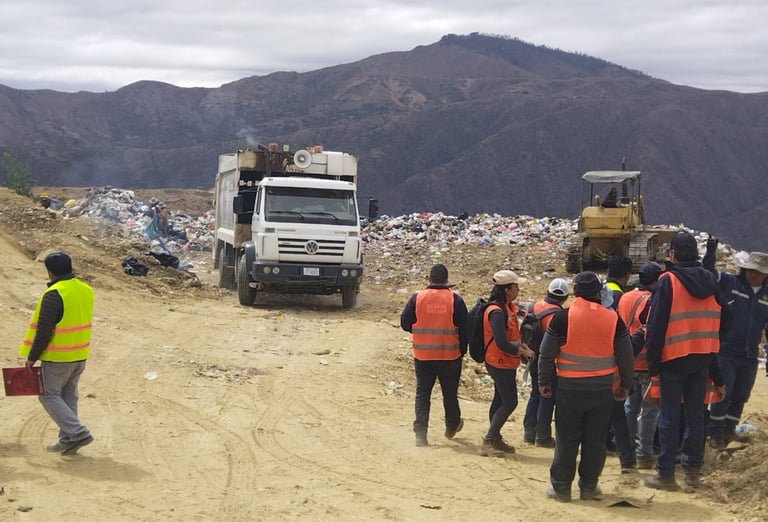
Before proposing solutions, it is important to thoroughly understand the problem. To address the issue of Solid Waste Management in Bolivia, it is essential to conduct a situational analysis that allows us to understand the causes of the problem, identify opportunities for improvement, and develop effective strategies to promote recycling and environmental sustainability.
Building a Shared Vision:
Agreeing on Sustainable Solutions
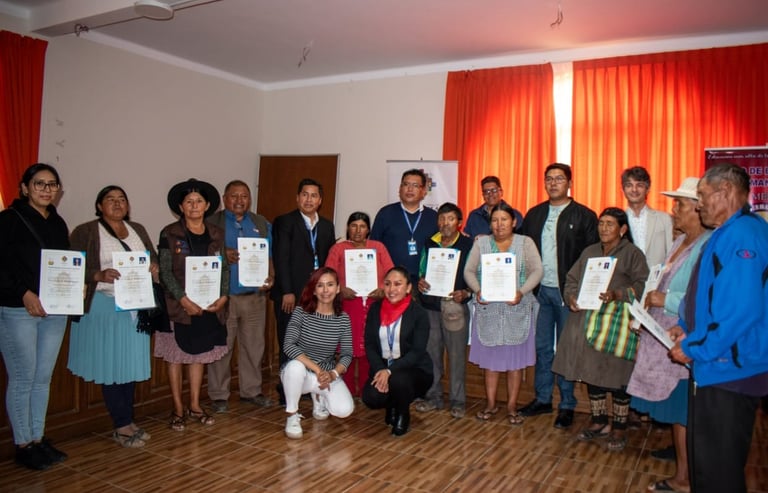
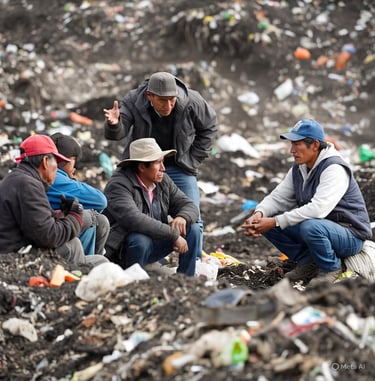
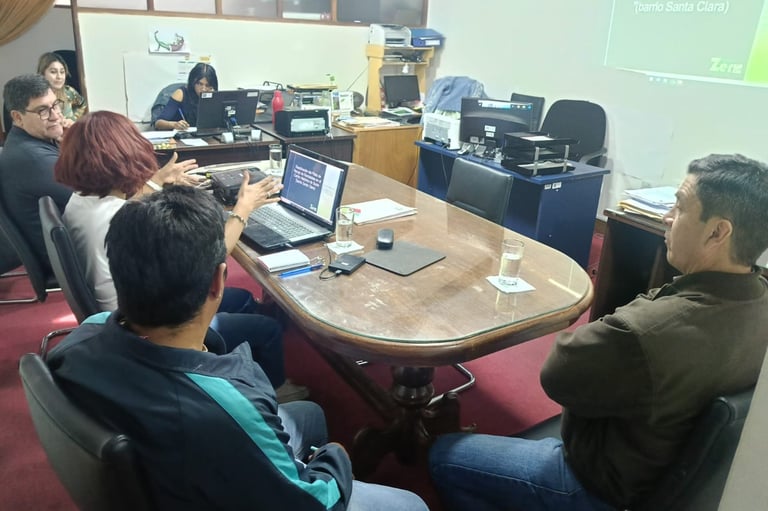
After understanding the reality we want to change, we map the stakeholders and work with them to build a shared vision regarding the identified problems and potential solutions. While the Foundation is merely a facilitator, the stakeholders are the ones who ensure that partial changes deepen, expand, and become sustainable over time. In this consensus-building stage, educational tools provide support and guidance for the participatory management of processes and projects.
Transforming Reality:
Steady Steps Toward Change
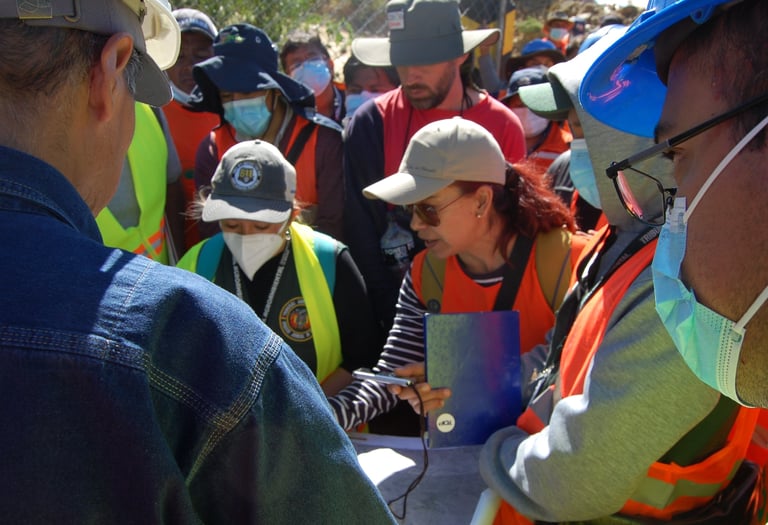
Starting with the collective definition of our objectives, we work to create the conditions to achieve them. During the problem-solving stage, the tools capable of promoting change are identified. The transformation stage is the actual implementation of the actions conceived and agreed upon together with all stakeholders.